
R.E.M. Ephemera, Athens and Archives
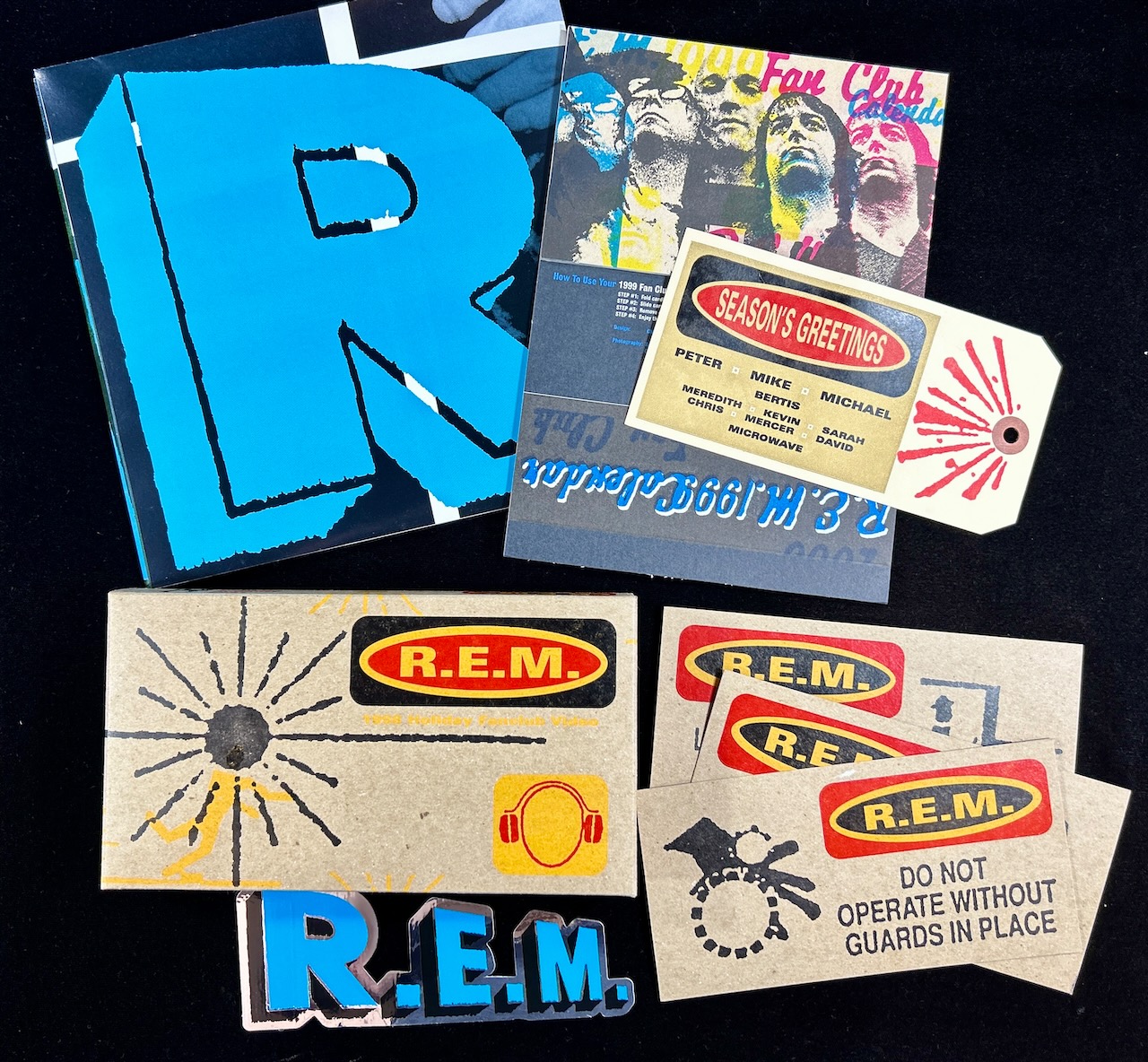
Last Year, I added eight newly researched and documented items from the University of Georgia Special Collections Libraries to the People’s Graphic Design Archive (PGDA), a crowd-sourced digital repository dedicated to preserving and expanding access to graphic design history.
These contributions build on my earlier work as a UGA Special Collections Faculty Fellow, where I developed archives-centered pedagogy and began integrating more primary source materials into my design courses.
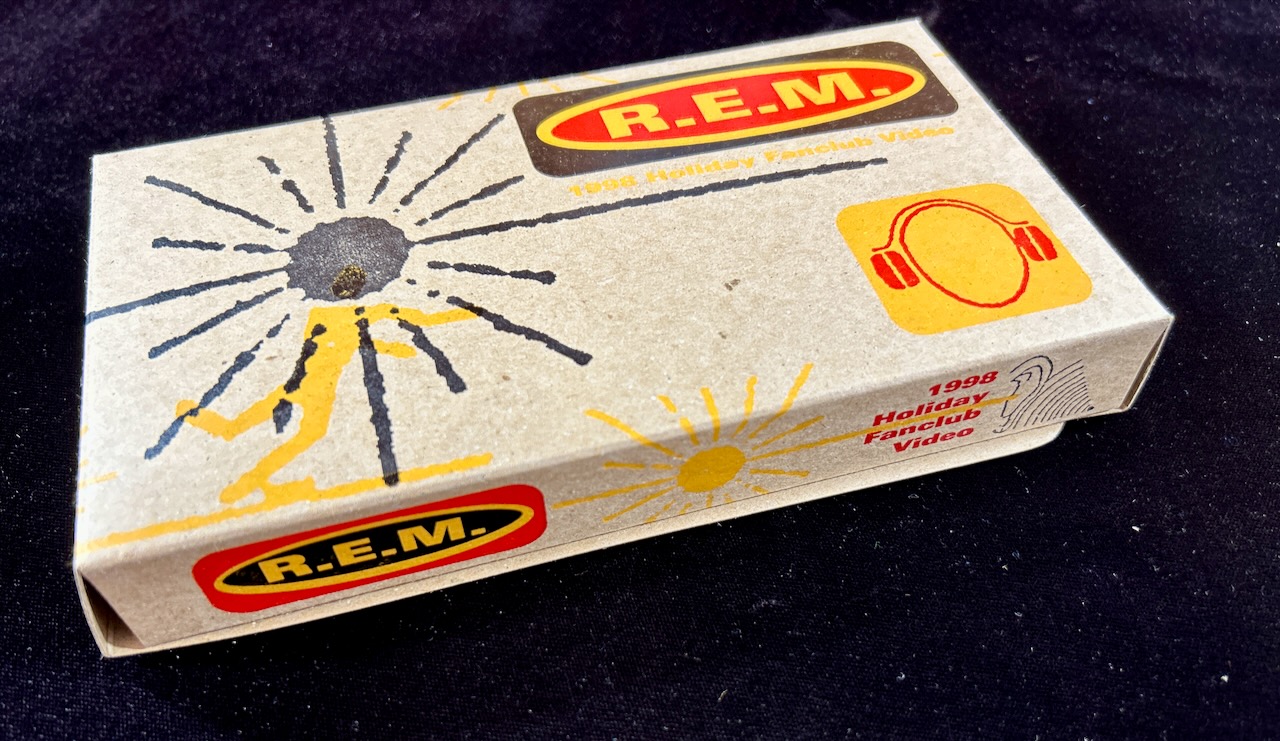
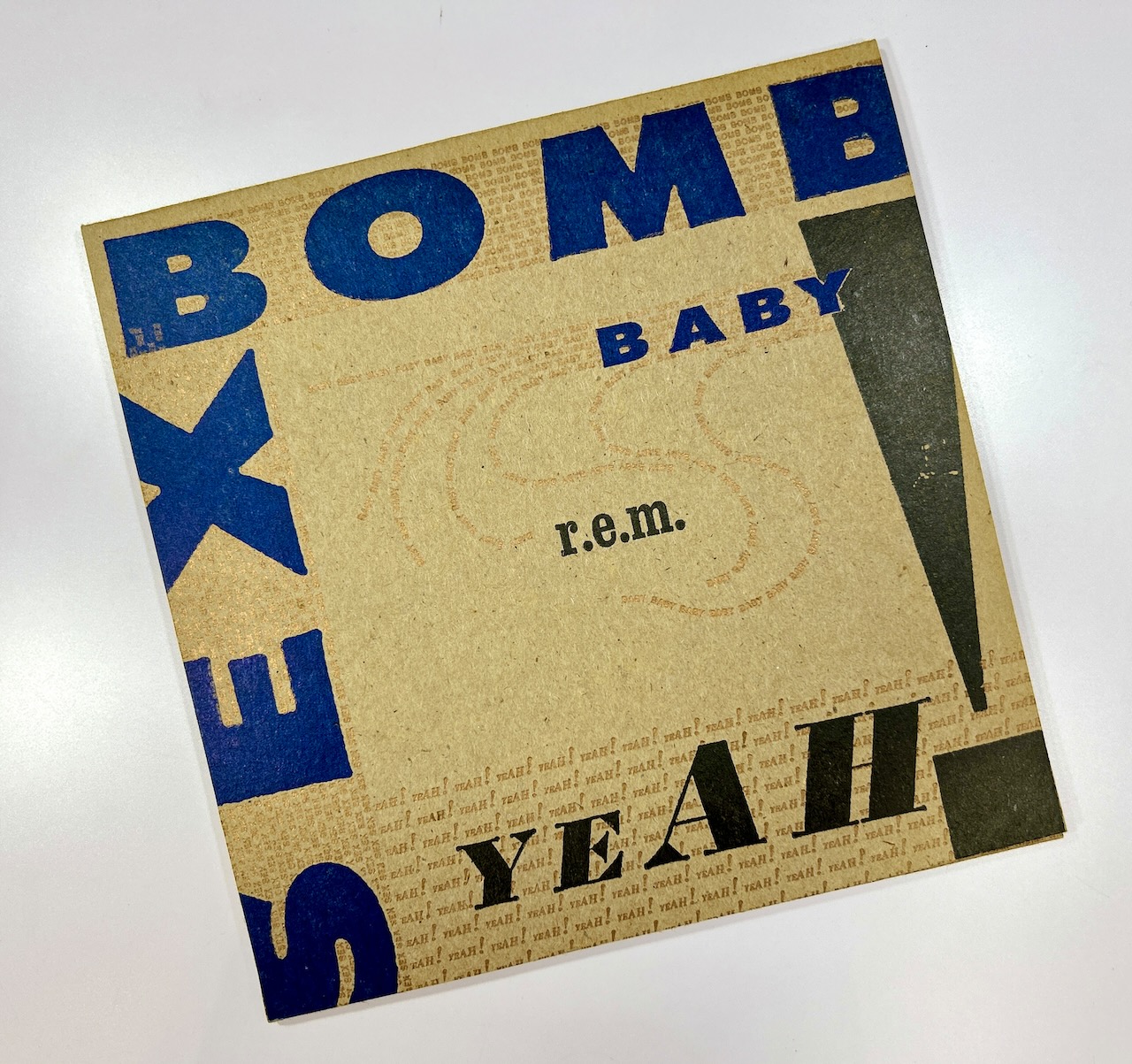
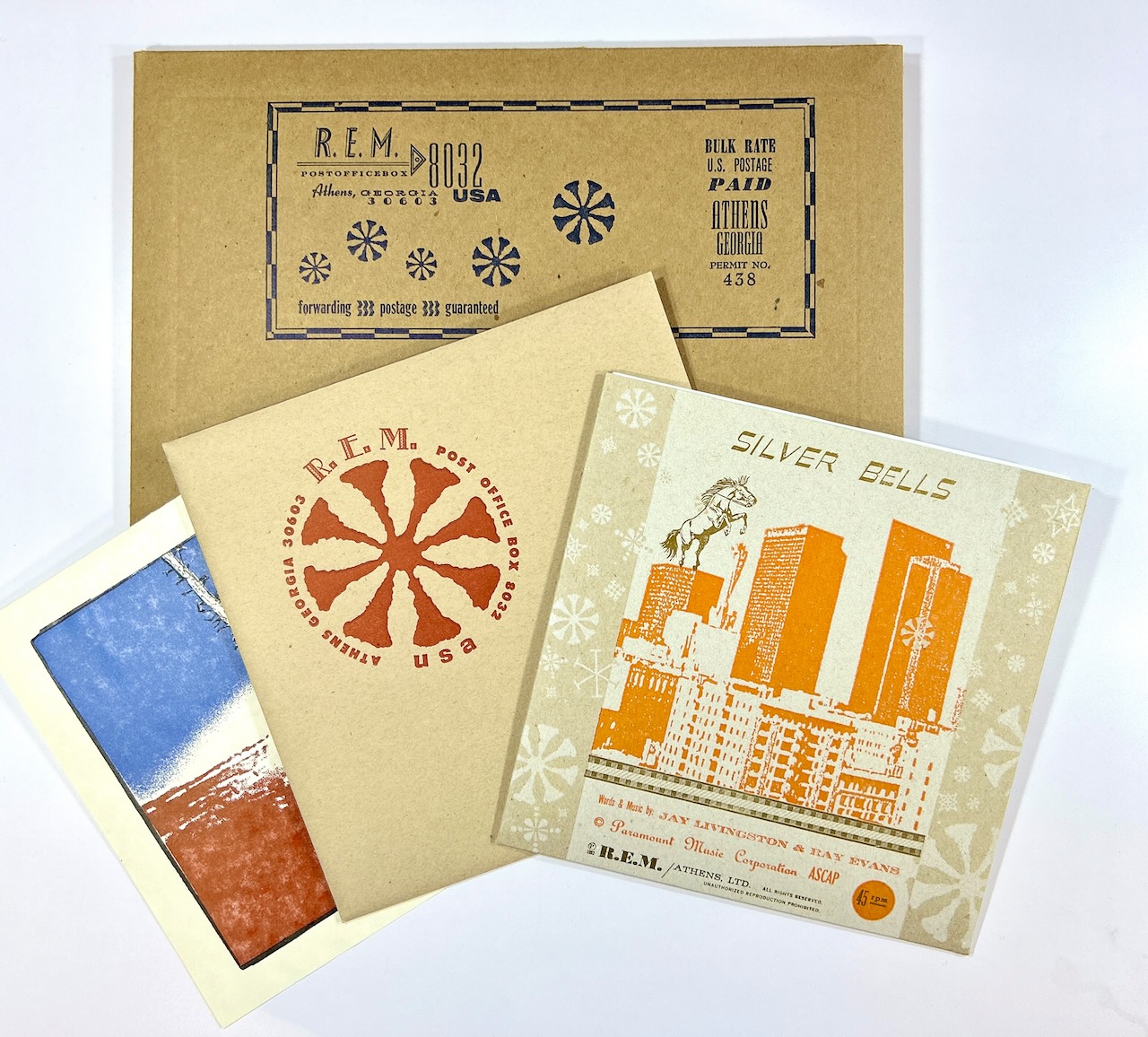
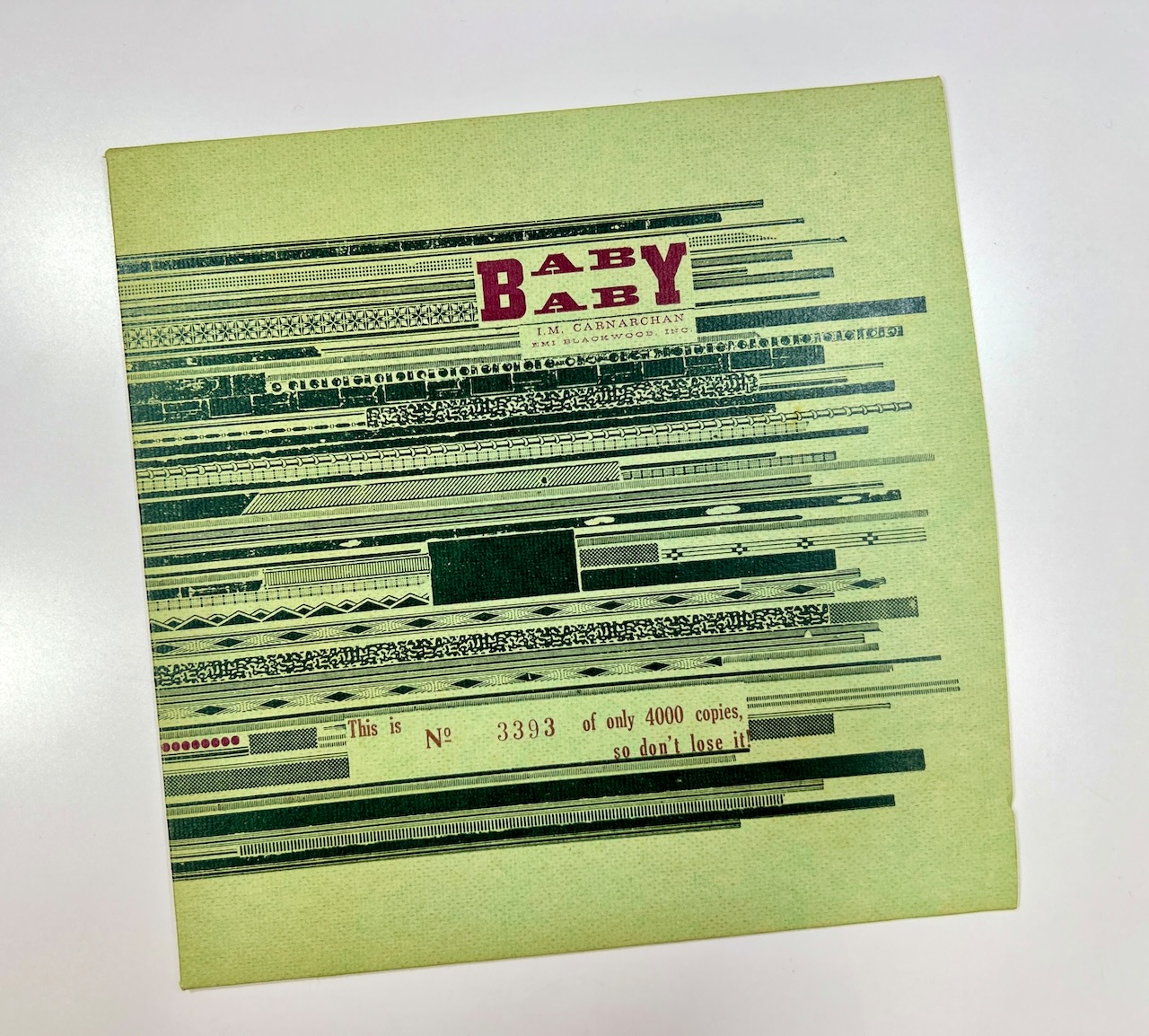
Multiple pieces come from the extensive collection of R.E.M. memorabilia housed in the Hargrett Rare Book and Manuscript Library at UGA. I focused on some of their fan club gift packages and related ephemera because, in addition to being firmly rooted in Athens’s rich music culture, the objects are thoughtful and well considered in both their creative, expressive design and fabrication.

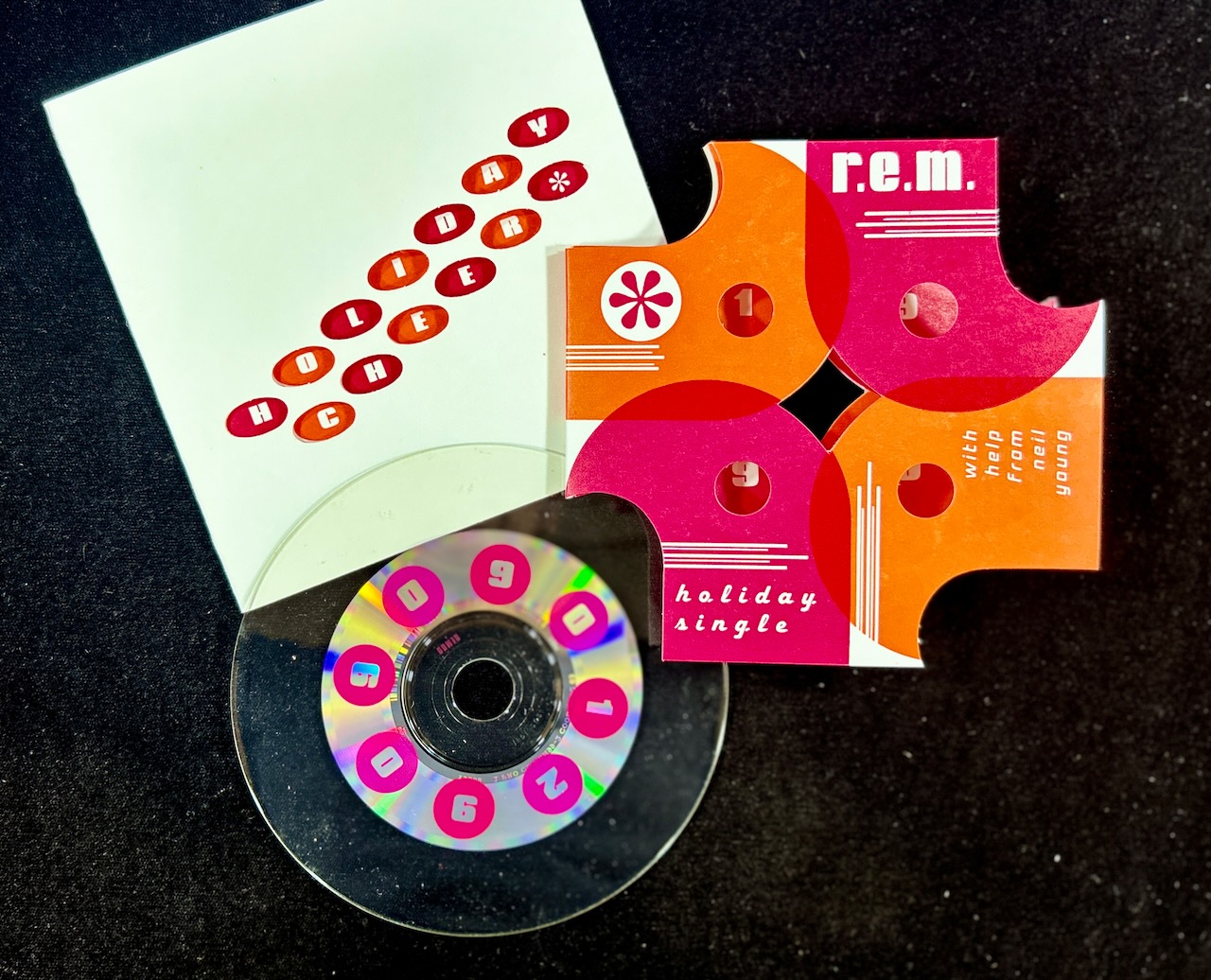
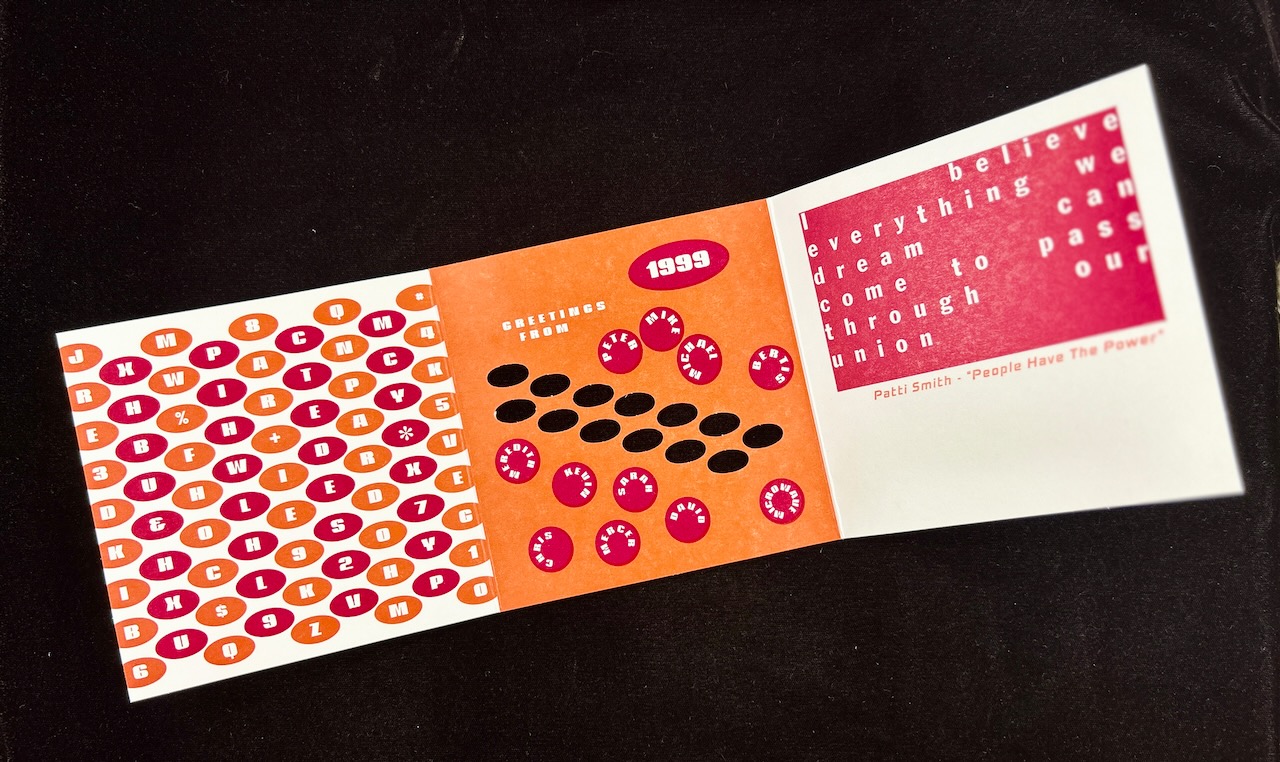
These pieces reflect a band deeply invested in visual culture and its own communication, though not bound to a single aesthetic. The design approach shifts from year to year; what remains consistent is a commitment to experimentation, playfulness, and detailed production. This investment in visual expression makes sense as many sources note that lead singer Michael Stipe,who studied art, shaped the band’s early visual identity and designed or directed several of their album covers himself. Many of the fan club materials incorporate inventive formats and structures, and care is evident in every detail, from custom packing tape printed with witty messages to expressive typography on mailing envelopes. Letterpress printing was often used, underscoring the level of craft and intention behind objects that extend far beyond conventional “merch.”
R.E.M.’s connection to Athens and the University of Georgia is well known, but their relationship to the arts, particularly to the Lamar Dodd School of Art, is also significant. Stipe studied Art and Photography at UGA, and the band maintained strong ties to the visual arts community, including UGA Art Professor emerita Jim Herbert collaborating with them on several early short films and music videos.
The remaining items were drawn from other distinctive holdings within Special Collections, reflecting the breadth of graphic material preserved in the archives. Each piece required research, documentation, and photography before submission to the PGDA platform, contributing to the Archive’s mission of broadening what counts as graphic design history.